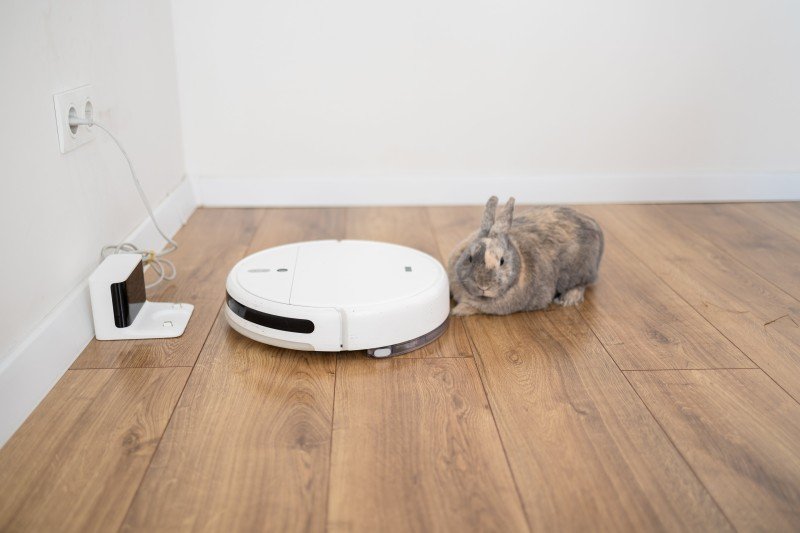
Understanding Floor Robots: The Future of Home Cleaning
In current years, technological advancements have significantly transformed the landscape of household cleaning. Amongst the most notable developments is the floor robot, a gadget that has rapidly gotten appeal for its convenience and performance. This post aims to check out the different aspects of floor robots, their performance, benefits, popular designs, and some often asked concerns to help consumers make informed decisions.
What is a Floor Robot?
A floor robot, typically described as a robotic vacuum, is an automated gadget created to navigate floorings and eliminate dirt, dust, and debris. Unlike traditional vacuum, floor robots operate autonomously, using a hassle-free cleaning experience. Robotic Vacuum Cleaner Best make use of sensors, mapping innovations, and advanced algorithms to tidy numerous surface areas, including hardwood, tile, and carpet.
How Do Floor Robots Work?
Floor robots operate through a combination of software and hardware parts. Here are the crucial features that enable their functionality:
1. Sensors
- Obstacle Detection: Floor robots have built-in sensors that help them detect obstacles, enabling them to navigate around furnishings and avoid falls.
- Cliff Sensors: These prevent the robot from dropping stairs or ledges by recognizing changes in elevation.
2. Navigation and Mapping
- Visual Mapping: Some sophisticated models utilize electronic cameras and laser technology to produce in-depth maps of the cleaning location.
- Simultaneous Localization and Mapping (SLAM): This method helps the robot track its location and efficiently prepare its cleaning route.
3. Cleaning Mechanisms
- Suction Power: Most robotic vacuums use a suction system to catch dirt and dust, which is then stored in an onboard dustbin.
- Brushing Systems: Many designs come geared up with rotating brushes or mops for improved cleaning abilities, particularly on carpets or difficult surface areas.
4. Smart Features
- Connectivity: Many floor robots support Wi-Fi connection, enabling users to control them via mobile phone apps or smart home systems.
- Scheduling: Users can arrange cleaning times, guaranteeing their homes are tidy even when they're not there.
5. Self-governing Charging
- Self-Docking: Most robots immediately go back to their charging station once their battery runs low, guaranteeing they're constantly all set to clean.
Advantages of Using a Floor Robot
The adoption of floor robots features many advantages that make them interesting users:
1. Convenience
Floor robots can clean up while users take care of other tasks, enabling multitasking and time-saving.
2. Increased Efficiency
Robotic vacuums frequently cover more ground in less time compared to conventional techniques, thanks to their methodical cleaning patterns.
3. Constant Cleaning Routine
Users can schedule regular cleanings, making sure that their homes stay clean without requiring everyday intervention.
4. Ease of access
Robotic vacuums can quickly access hard-to-reach locations, such as under furniture or in tight spaces.
5. Advanced Features
Many designs come geared up with functions like voice control and app integration, boosting usability and accessibility.
Popular Floor Robots
When thinking about a floor robot, numerous brand names and models deal with various requirements and spending plans. Here's a brief introduction of some leading options:
| Brand | Design | Key Features | Price Range |
|---|---|---|---|
| iRobot | Roomba i7+ | Smart mapping, self-emptying dock | ₤ 600 - ₤ 800 |
| Roborock | Roborock S7 | Sonic mopping, barrier avoidance | ₤ 500 - ₤ 700 |
| Neato | Neato D7 | D-shape design, advanced suction | ₤ 600 - ₤ 800 |
| Ecovacs | Ecovacs Deebot T8 | Mopping function, advanced mapping | ₤ 600 - ₤ 800 |
| Shark | Shark IQ Robot | Self-emptying base, home mapping | ₤ 400 - ₤ 600 |
(Note: Prices may differ based upon sellers and continuous promos.)
Frequently Asked Questions (FAQs)
1. Are floor robots reliable on carpets?
Yes, most modern floor robots are designed to clean numerous surfaces, including carpets. Designs with strong suction and turning brushes are especially efficient at getting family pet hair and ground-in dirt.
2. How typically should I run my floor robot?
This depends on your household's requirements. For homes with pets or high foot traffic, daily or every other day cleaning might be helpful. For quieter homes, running the robot once a week might be adequate.
3. Can I manage my floor robot remotely?
Numerous floor robots feature smartphone apps that allow users to control their gadgets from another location, schedule cleanings, and display efficiency.
4. Do I need to clear the dustbin regularly?
The majority of robots require regular emptying of the dustbin, particularly in homes with animals or heavy soil. Nevertheless, some models offer self-emptying abilities, which lessen user participation.
5. Are floor robots appropriate for all kinds of floor covering?
Many floor robots are efficient on different surface areas, consisting of hardwood, tile, and low-pile carpets. However, some might perform better on particular surface areas, so it's essential to select a design suited to your home's needs.
As homes continue to welcome technology, floor robots have emerged as vital cleaning companions, providing convenience, effectiveness, and advanced functions. Understanding their functionalities, benefits, and offered designs permits consumers to pick the ideal floor robot to meet their particular cleaning needs. By buying this innovative technology, homeowners can ensure their home stay clean and comfy with minimal effort.